
Summer is officially here — and so is one of the most colorful seasons in the garden. June brings longer days, warming soil, and that particular kind of energy that makes you want to get your hands dirty. Whether you’re a seasoned grower or just finding your green thumb, there’s plenty to plant, tend, and enjoy this month.
Bring your garden to life with pollinators
Few things make a garden feel more alive than the flutter of a butterfly or the hum of a hummingbird darting from bloom to bloom. Beyond the sheer delight of watching them, these hardworking pollinators play a vital role in distributing nectar throughout your yard — and the right plant selection can turn your garden into a favorite stop on their daily route.
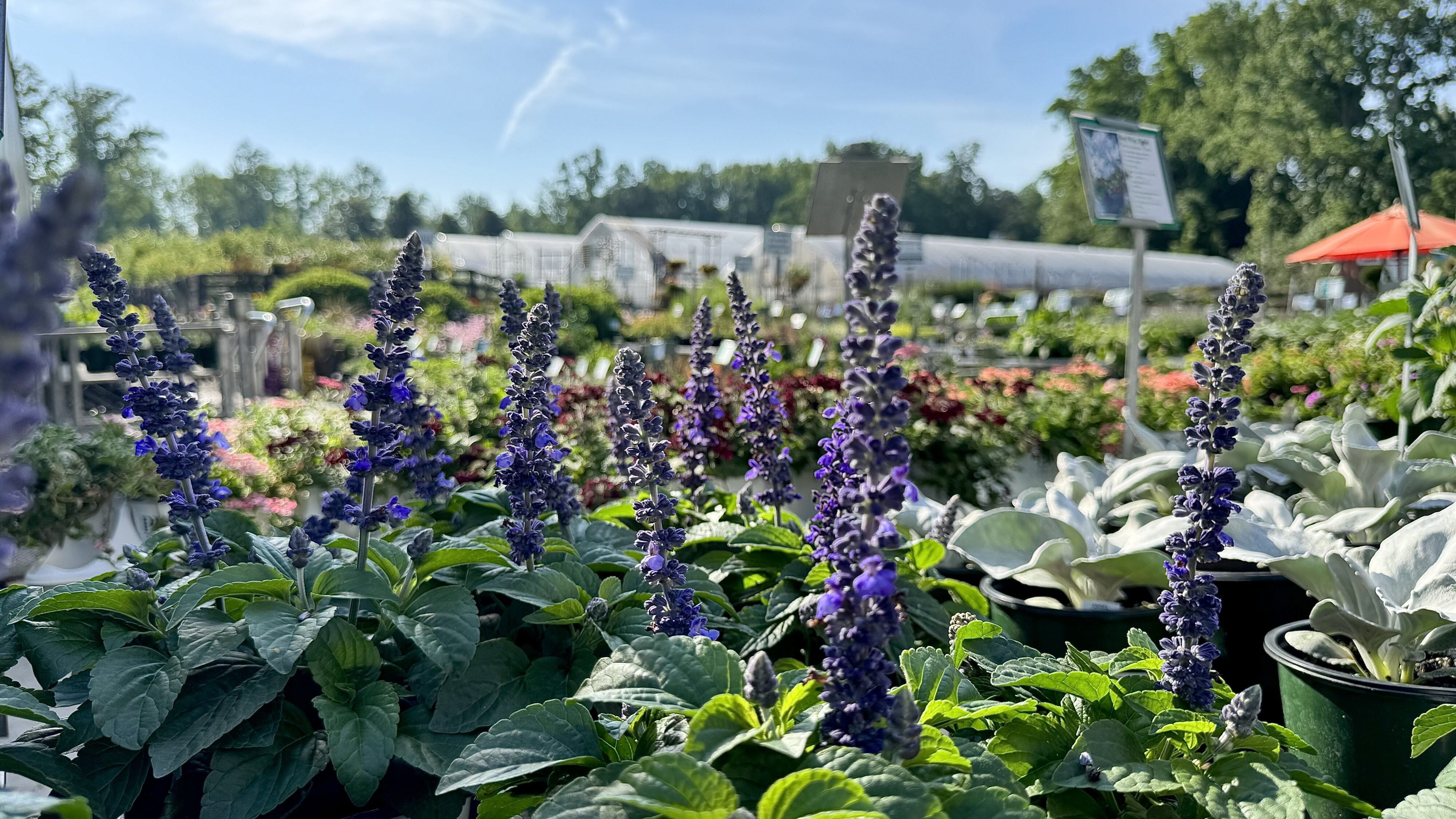
The key to supporting butterflies is thinking about their full life cycle. Adults need nectar plants to feed on, but they also need host plants where they can lay eggs and feed as caterpillars. Milkweed, passionflower, parsley, goldenrod, switchgrass, and oak trees are all excellent choices for hungry caterpillars. For the nectar-seekers — both butterflies and hummingbirds — we carry a wonderful assortment of trees, shrubs, perennials, and annuals to choose from:
- Shrubs: Butterfly bush, abelia, and rose of Sharon
- Climbing vines: Crossvine, honeysuckle, and passion flower
- Perennials: Bee balm, salvia, and cardinal flower
- Annuals: Cuphea and verbena are favorites, though most flowering annuals will do the trick
Not sure where to start? Our staff is happy to help you find the right plant for your specific location and conditions.
Container gardening: small footprint, big impact
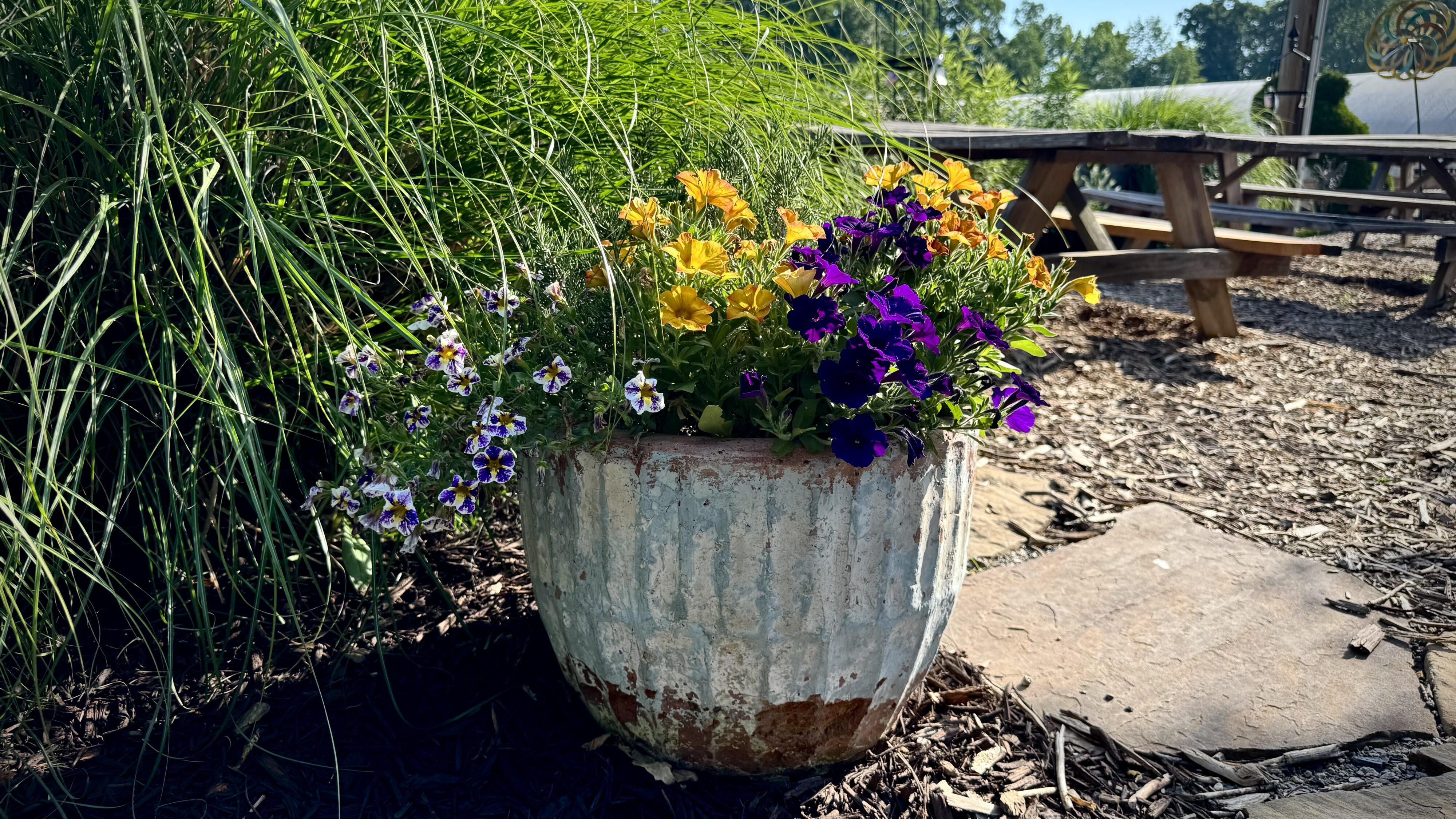
Colorful containers are one of the easiest ways to make a statement — and they’re not just for porches and patios. Try tucking them into the interior of a bed to punctuate a specific area, add a burst of drama, or bring a touch of whimsy to a space that feels flat. The best part? There are no rules. Don’t hesitate to place a bold container somewhere unexpected — it just might become your favorite thing in the garden.
Watering: getting it right this June
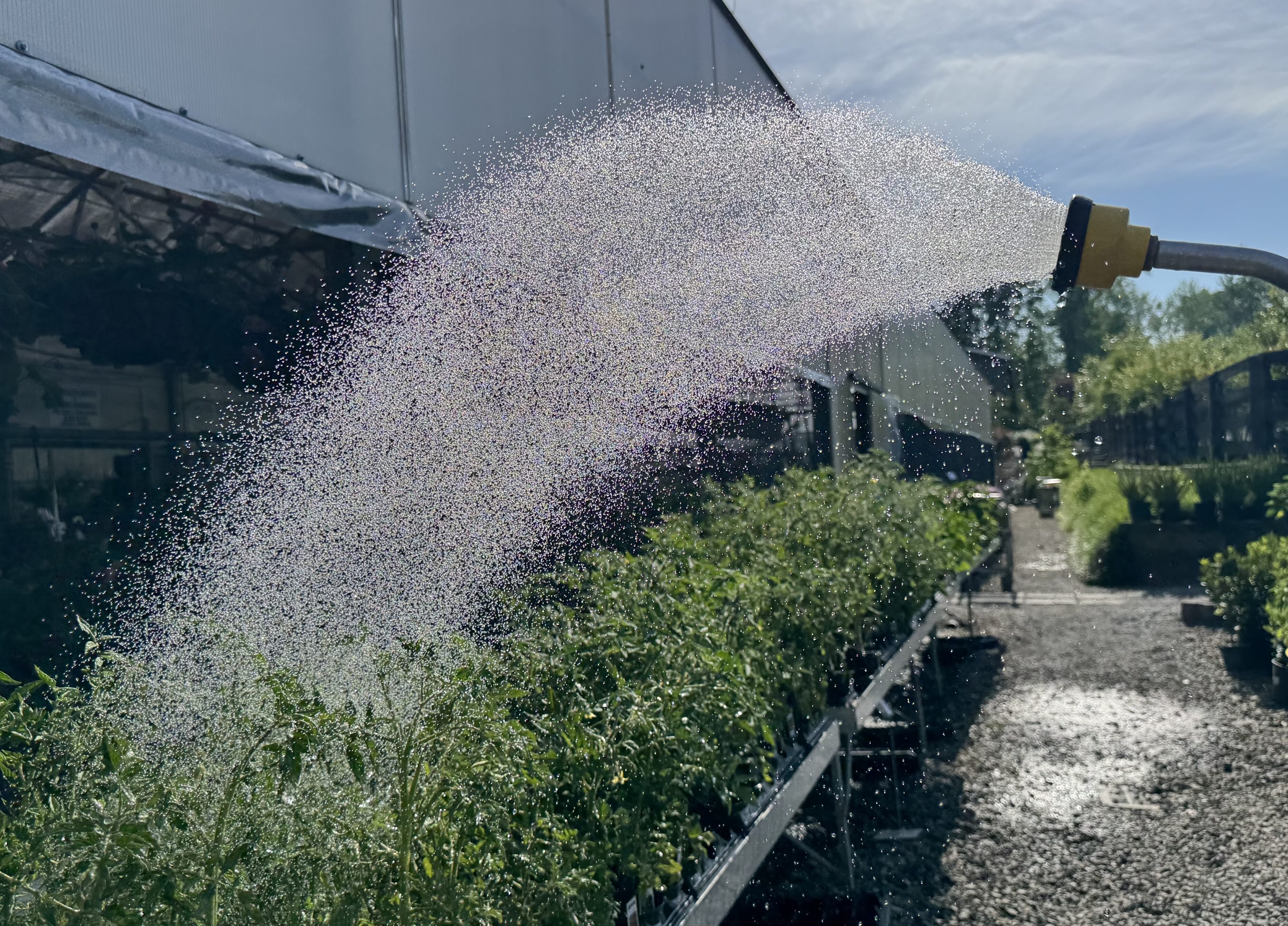
Consistent, thoughtful watering is one of the most impactful things you can do for your plants this month. Most plants need supplemental water whenever rainfall falls short of 2 inches per week, spread across at least 3 rain events — and in a dry June, plan on watering 3–4 times per week to keep up.
A few habits that make a real difference:
Group wisely. Pairing plants with similar light and water needs together makes your watering routine more efficient and reduces the risk of over- or under-watering.
Start strong. Water your plants thoroughly before you put them in the ground, and again right after planting. That early hydration sets the stage for healthy root establishment.
Check before you water. Use the finger test — push your finger as deep into the soil as you can. Damp means wait; dry means water. Prefer a gadget? A moisture meter probed near the drip line gives you a precise read and takes the guesswork out entirely.
June Garden Club: don’t miss this one
This month’s Garden Club meeting features two special guest speakers: Jesse Boland from the North Fulton Young Farmers Association and Shannon Fitzgerald, Milton’s City Arborist. They will be sharing practical, experience-backed guidance on how to get your garden through our summer heat — covering watering strategies, pest identification, beneficial insects, and best practices for keeping plants healthy during the most stressful months of the year.
It’s a great opportunity to learn, ask questions, and connect with fellow gardeners. We hope to see you there!