
Scottsdale Farms — August 2026
August in the Garden
Hot, humid days and pop-up storms — here’s how to keep your garden steady through it.
August means one thing here: hot, humid days broken up by pop-up storms that roll in fast and leave just as quick.
Those storms bring wind along with the rain — so if you’ve got tender plants that haven’t filled out yet, stake them now before a gust does the staking for you.
Heat stress doesn’t need a complicated fix. It just needs two things: mulch and water.
Make sure your beds are sitting at a full 2 inches of mulch. That layer insulates roots, keeps them cool, and locks in moisture through the worst of our summer.
For watering, go deep instead of often — 1 to 2 times a week beats a daily sprinkle. The goal is getting water down to the root zone, not just wetting the surface. For shrubs under 4 feet, water the base for a full minute — that’s roughly 5 gallons.
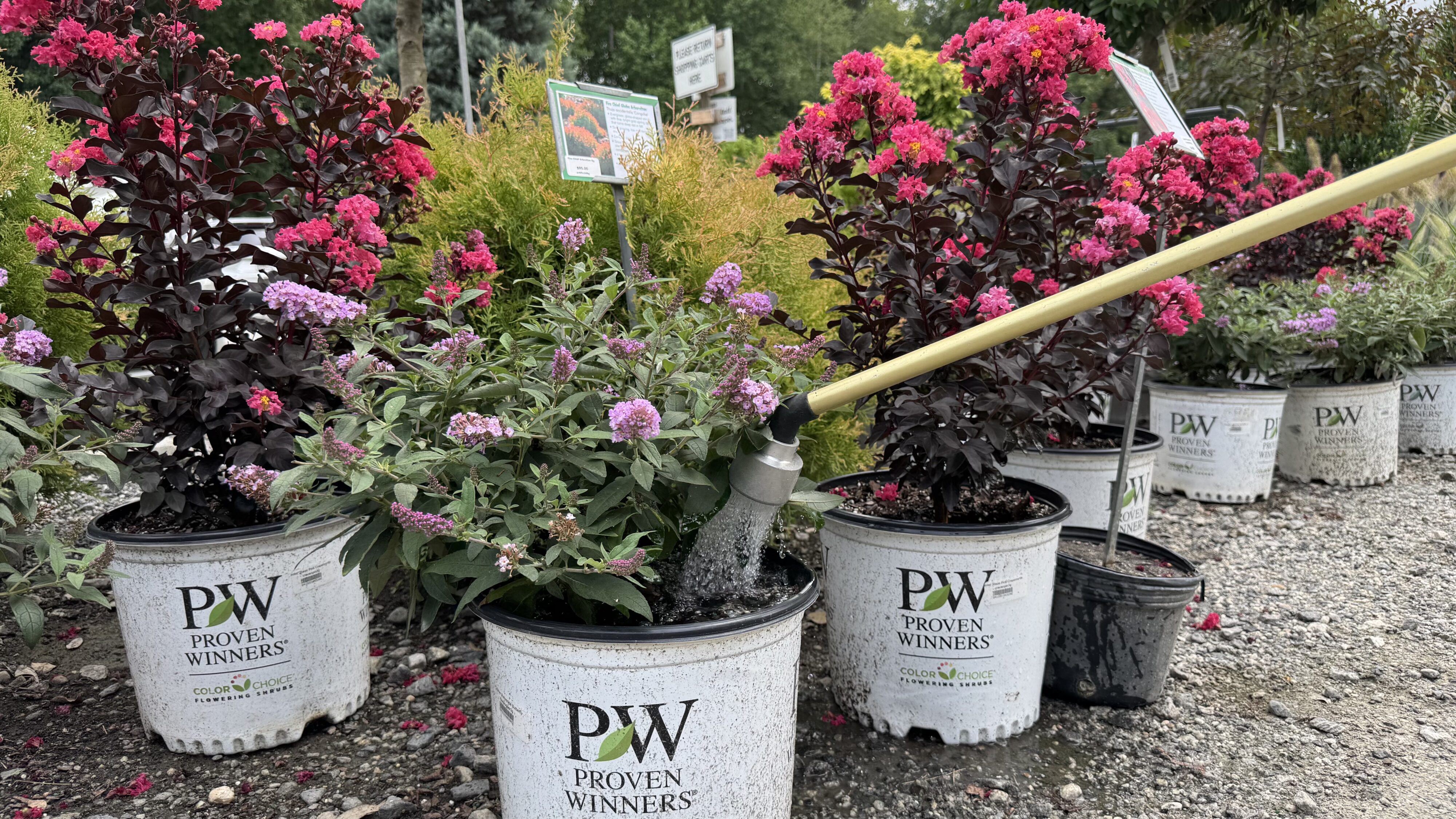
Just go slow enough that the water soaks in instead of running off — thirsty roots can’t drink water that’s already halfway to the storm drain. And water early in the morning if you can; midday watering means you’re losing precious drops to evaporation before they ever reach the soil.
Proper watering technique takes some trial and error — stick with it and your plants will show you it was worth it. Our website has more detail, and our outdoor team is always happy to talk watering with you. We’re gardeners too, and we know how tricky our summers can be.
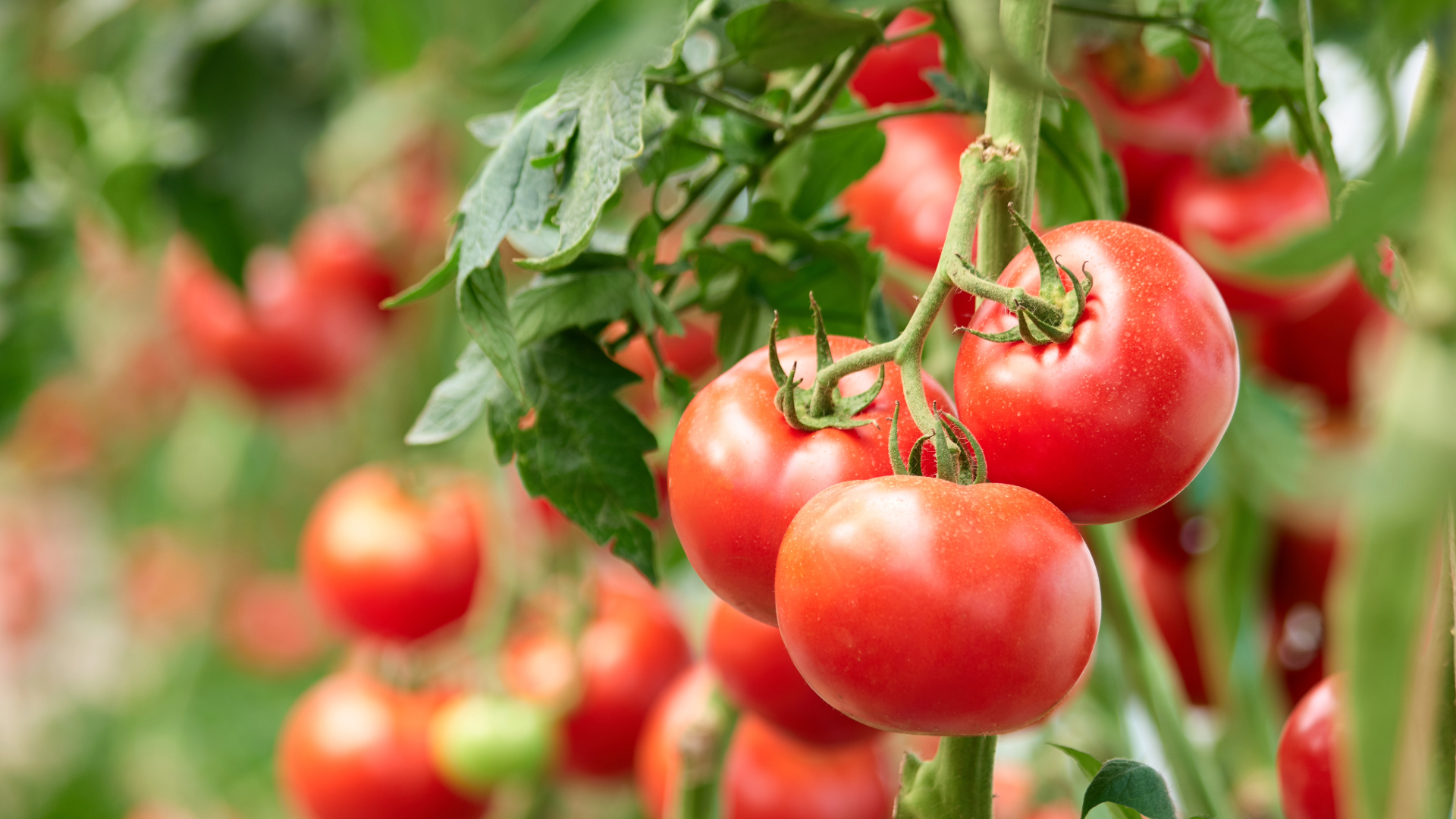
Pick your fruits and vegetables in the morning, while they’re well-hydrated — and pick often. Regular harvesting is one of the easiest ways to boost production.
If some of your warm-season veggies seem to be slowing down on fruiting and flowering, that’s the heat talking. Keep them watered and they’ll pick back up once temperatures ease.
Rosemary and thyme? They love this weather — the hotter, the happier. Basil needs a bit more attention: keep it hydrated and harvest it often, or it’ll flower before its time. Most herbs are built for the heat.
Deadheading isn’t just for looks — it gives you a longer bloom season. Salvia, achillea, shasta daisy, black-eyed Susan, and tall phlox will all keep blooming through summer and fall if you stay on top of spent blooms. Bonus: they double as great cut flowers for the house.
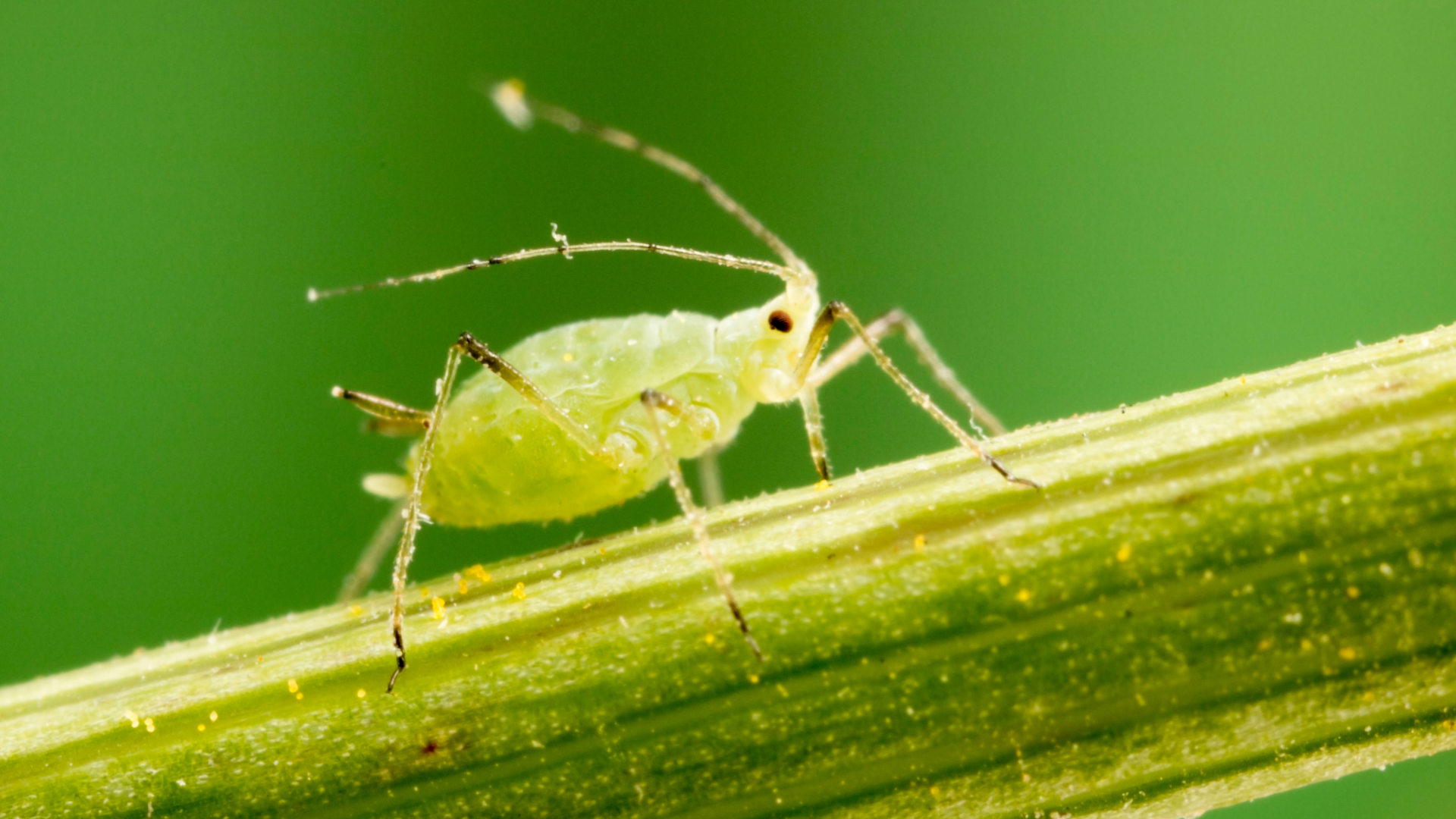
August’s usual suspects: aphids, spider mites, squash bugs, and tomato hornworms. Check your plants regularly — catching them early makes all the difference. Neem oil, insecticidal soap, and Bt are your go-to natural controls, and your county extension agents can help with ID and next steps if you’re not sure what you’re looking at.
Not all weeds are created equal, and knowing which type you’re dealing with tells you when to time your prevention. Snap a photo and bring it by — our outdoor staff can help you identify it. Young weeds with shallow roots pull easily; established ones with deeper systems take more work.
Garden Club meets Tuesday, August 11 at 10 AM in the pavilion. We’ll be planning fall vegetable gardens and talking through how to bring fall color into your landscape.